What to Do When a Debt Collector Calls About Old Debt
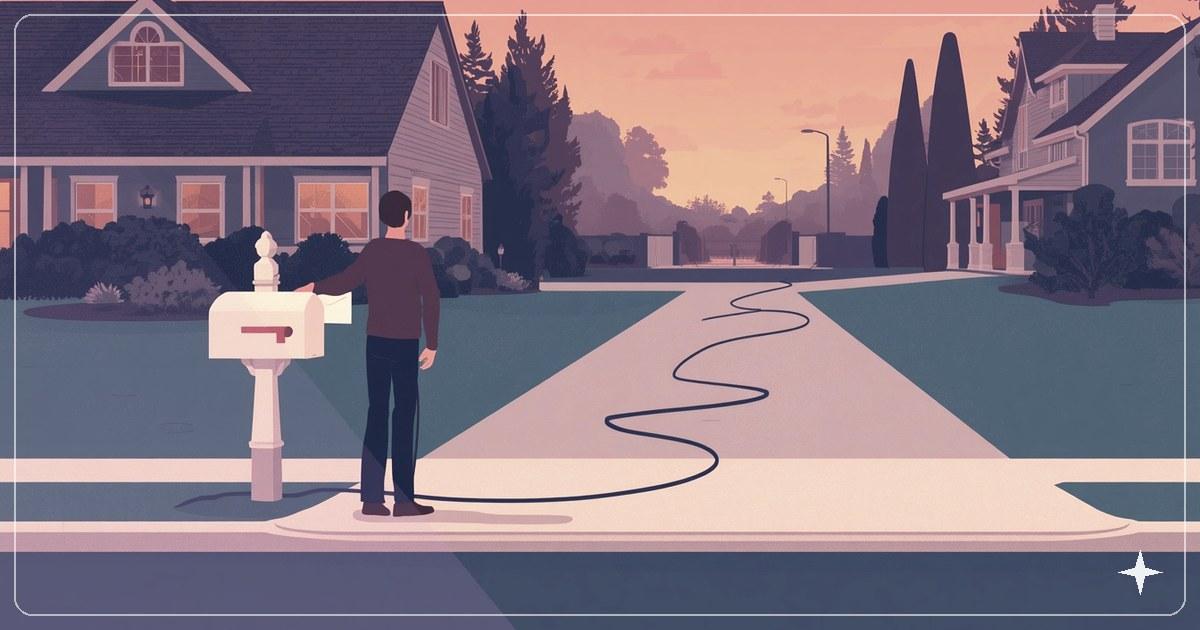
“I’m not confirming that I owe this debt. Please send me the validation information in writing.”
That is enough for a first response.
A call about an account from years ago can create pressure to fill the silence, explain what happened, or agree to a small payment. You do not have to settle the facts during an unexpected call. You can slow the conversation down, collect basic information, and move the discussion to writing.
1. Use a short script before discussing payment
The legal effect of a payment or written acknowledgment can depend on your state, the debt, and the relevant dates. You do not need to figure out those boundaries while someone waits on the phone.
Try this:
“I’m not acknowledging this debt. Please give me your name, company name, mailing address, the current creditor, the original creditor, and the amount you claim I owe. Please send the validation information in writing. I won’t discuss payment until I review it.”
For a text message, you can keep it shorter:
“I do not acknowledge this debt. Please send the required validation information, including the creditor’s name, the amount claimed, and dispute instructions.”
Avoid sharing your Social Security number, bank account information, debit card number, or other sensitive details until you have independently confirmed the collector’s identity. According to the CFPB’s guidance on debt collection calls, you can refuse to discuss the debt until you receive validation information.
A text that says it is from Unifin, or a call naming Resurgent Capital Services, gets the same treatment as any other collection contact. A company name alone proves neither that the message is fraudulent nor that the debt belongs to you. Verify the company through an independent source rather than using only a link or phone number in the message.
2. Verify the collector and the debt in writing
Write down the caller’s name, company, mailing address, phone number, date of contact, and what they said. Then check the company’s contact details independently.
The validation information should identify the creditor, state the amount claimed, and explain how to dispute the debt. Look for answers to a few specific questions:
- Is the name or account familiar?
- Does the original creditor match an account you had?
- Is the amount itemized clearly?
- Do the dates make sense?
- Has this debt already been paid, settled, discharged, or included in bankruptcy?
- Could this belong to someone with a similar name?
If something is wrong or unclear, you can dispute all or part of the debt in writing. A simple letter might say:
“I dispute this debt. Please provide verification of the amount claimed and documentation showing that I am responsible for it. Please also identify the original creditor.”
The validation period is generally 30 calendar days after you receive, or are presumed to have received, the notice. That gives you 30 days to send a written dispute during the validation period. As the CFPB’s debt collection rule summary explains, a timely written dispute generally requires the collector to pause collection of the disputed debt until it provides verification or the requested original-creditor information.
Keep a copy of your letter and proof that it was sent. Disputing a debt does not automatically erase it, and a request made outside the validation period may not create the same pause.
Once the paperwork arrives, one way to start thinking about collections debt is to separate three questions: Is it yours? Can you still be sued? What response fits your finances?
3. Separate the lawsuit deadline from credit reporting
Old debt has at least two clocks, and they do different jobs.
The statute of limitations concerns how long a creditor or collector generally has to sue. The deadline depends on state law, the type of debt, relevant dates, and sometimes the contract. After that period expires, the debt may be “time-barred.”
The debt may still be owed. In many states, a collector can continue requesting payment on time-barred debt, but generally cannot sue or threaten to sue after the legal deadline has expired. The CFPB’s explanation of old debt also cautions consumers to determine whether a debt is time-barred before making a payment or agreeing to a payment plan.
That matters because a payment or written acknowledgment may affect the limitations period in some states. It does not always restart the clock, but the possibility is enough to justify checking before paying.
The credit reporting period is separate. Collection accounts can generally remain on a credit report for about seven years from the original delinquency that led to collection. A debt disappearing from a credit report does not determine whether collection attempts are allowed. Its presence also does not prove that a lawsuit is still timely.
You can use a credit report review checklist to compare the creditor, balance, and dates across your reports. If the information is inaccurate, the credit reporting dispute process is separate from disputing directly with the collector.
4. Know your contact rights and when to get help
Debt collectors generally cannot call at times they know are inconvenient. Calls before 8 a.m. or after 9 p.m. local time are generally restricted. They also cannot harass you, use deceptive statements, or threaten action they cannot legally take.
If calls at your workplace create a problem, tell the collector that your employer does not allow them. There are also practical steps for handling a debt collector who calls you at work.
You can send a written request telling a collector to stop contacting you. After receiving it, the collector may still send limited communications, such as confirming that contact will stop or identifying a specific action it may take. The request does not cancel the debt or prevent a lawful lawsuit.
Consider speaking with a consumer law attorney in your state if:
- The collector threatens to sue over debt that may be time-barred.
- You receive a summons or other court papers.
- The debt resulted from identity theft.
- The collector continues harassment after a written request.
- A payment or acknowledgment may have affected the legal deadline.
Never ignore court papers, even when you believe the debt is too old. The response deadline printed on the summons still matters. A nonprofit credit counselor can help assess affordability and payment options, though a consumer law attorney is better placed to interpret state limitation rules.
A reasonable next move
You do not need to decide everything today. Start with these three actions:
- Ask for the collector’s full details.
- Request validation in writing.
- Check state law before paying.
If you already spoke with the collector, write down what you remember and wait for the written information before making another commitment. The useful goal here is narrower than resolving the entire debt: establish who is contacting you, what they claim, and which rules apply before money changes hands.