
Avoidance
Why Is My Credit Score Wrong After Equifax News?
Learn how to check all three credit reports, document an Equifax credit report error, and dispute inaccurate account information.
Finav Editorial·
Financial wellness insights without pressure or judgment.
Learn how to check all three credit reports, document an Equifax credit report error, and dispute inaccurate account information.

See why your credit card balance may keep growing, how to read the charges, and which options may reduce the pressure.

A calm way to check a medical bill, protect essential expenses, and ask for payment options that fit your actual budget.

Learn what to say, how to document the call, and how to verify a debt before making a payment.
Buy now, pay later can keep purchases within budget while leaving future paychecks crowded with installment withdrawals.

Repeated bank account checks often reflect unresolved timing and cash flow questions that the balance alone cannot answer.
Build a short-term plan for food, gas, bills, and overdraft prevention when money runs short before payday.

Filed by the extension deadline but still owe? Learn why IRS charges continue, how payment plans work, and what to do if the proposed payment does not fit.

Learn how to compare your EOB and medical bill, dispute errors, and ask about payment plans or financial assistance.

See what can raise a credit card minimum payment, how to check your statement, and what to ask your card issuer about lower-cost options.

Why unknown calls become easy to avoid, what screening protects, and a calm routine for checking legitimate messages.

Learn why a private student loan payment can increase, how to check your rate terms, and which relief options may fit.

Learn how to verify an old medical bill, check insurance and collection details, and dispute unclear charges in writing before deciding whether to pay.

Use a two-week budget reset to estimate higher fuel costs, protect essential bills, and decide whether your gas budget needs a lasting change.

Learn why a credit score can fall after a card payoff, when the drop may be harmless, and which details to check.

Find your new federal student loan payment, compare replacement plans, and make a short-term plan if the amount does not fit your budget.

Learn what can happen after a missed car payment, what to ask your lender, and how to prepare if repossession is possible.

Use this practical call script to request a utility payment plan you can maintain and understand the terms before agreeing.

Use this practical call script to ask your credit card company about lower payments, reduced interest, and other hardship options.
Learn who may owe estimated taxes, how to pay through IRS Direct Pay, and what to do after a missed September deadline.
If BNPL has turned into a stack of due dates, here is a calmer way to map it, stop adding new plans, and choose a next move.

If a medical bill is already in collections, ignoring it can lead to more contact, possible credit effects, and sometimes a lawsuit, but there are still options.

If you have coverage but still avoid care because the deductible, coinsurance, or bills feel unmanageable, there are concrete steps to take before and after a visit.

A calm guide to figuring out whether a medical bill in collections is actually right, how to dispute it in writing, and where to check your credit reports.

Buy Now, Pay Later can affect your credit score, but it depends on the lender, the product, and what happens if you miss a payment.

A practical reset for rising rent, utility, and gas costs, with scripts, cash-flow fixes, and relief options.
Use this simple script, document list, and follow-up questions to ask a credit card issuer, lender, medical provider, or utility for temporary relief.

What minimum credit card payments actually cost in interest, time, and flexibility, plus a calmer way to decide what to do next.

A calm plan to cover essentials and reduce early 401(k) or IRA withdrawals before they become a monthly habit.

Deferment and forbearance can both pause student loan payments, but interest, eligibility, and alternatives like IDR can leave you in very different places later.

Income-driven repayment can lower a federal student loan bill, but it also changes your timeline, paperwork, and what you need to watch each year.

IRS payment plan eligibility mostly comes down to your balance, your filing status, and whether you need 180 days or monthly payments.

If your IRS installment agreement no longer fits, here is how to ask for a lower payment, respond to a default notice, and consider hardship options before collections restart.

If groceries and gas are going on a card you cannot pay off, here is how to cover essentials, avoid late fees, and ask about hardship help.

A one-week plan to protect housing, utilities, insurance, and minimum payments when grocery and gas costs crowd out your bill money.
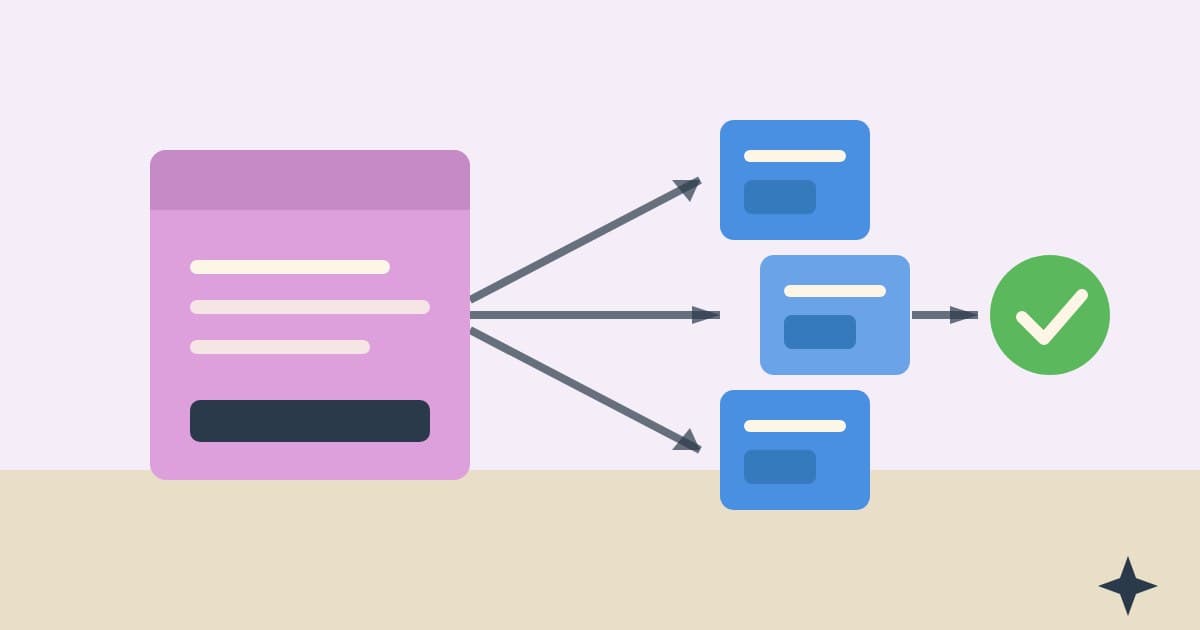
Missed the tax deadline and owe the IRS? Here is how to apply for a payment plan, choose a monthly amount, and handle a payment that still feels too high.

If you missed the tax payment deadline, start by filing, reading the notice closely, and choosing the IRS payment option your budget can actually support.

A calm plan to recalculate your weekly budget, trim the right categories, and keep high gas costs from becoming credit card debt.

If student loan notices have been sitting unopened, this can help you check your status, understand default, and make one manageable move forward.

Feeling behind with money often comes from using the wrong timeline, and calmer decisions usually start smaller.

When a billing call feels bigger than it should, a short script can lower the pressure and help you ask for one clear next step.

A calm look at balance transfers and consolidation loans, and how to tell whether they are creating real breathing room or just extending the strain.

If your student loan payment suddenly jumped, here is how to find out what changed, lower the bill if you qualify, and protect the rest of your budget meanwhile.

If you missed the tax deadline, here is what usually happens next with the IRS and how to take the first steps without deepening the problem.

When your budget already has no slack, a surprise bill creates timing problems, extra costs, and more decisions than the dollar amount alone suggests.

A calm, practical look at why a large monthly card payment can still feel ineffective, and how to choose a more realistic next step.

When life gets crowded, the most useful financial goal may be stability for one month, not a perfect plan.

A calm, practical way to see whether a lender might offer a better rate without turning it into a full financial overhaul.

Keeping up the appearance that money is under control can become its own draining form of work, and smaller truths often bring more relief than bigger plans.

A practical, no-shame guide to mapping bill dates, moving risky autopays, and handling overdraft and late fees when cash is tight.

If a private student loan payment suddenly starts competing with rent, groceries, or childcare, here is a calmer way to compare refinancing, relief options, and your real next step.

If groceries and utilities keep landing on your card, a short triage plan may help you slow the cycle and see what needs support.

If cost is making you put off care, a simple plan can help you sort urgency, ask better price questions, and get support before avoidance gets expensive.

A calm plan for using credit cards for groceries or bills before payday, including how to protect essentials, slow debt growth, and tell a temporary cash gap from a deeper shortfall.

A calm guide to understanding why payments barely move the balance, where an extra dollar helps most, and when to ask for rate relief.

Choosing one bill to automate can lower the monthly decision load and help prevent one recurring late payment.

A calm one-week plan for handling a five-figure college aid gap without making a rushed choice that weakens your retirement.

A calm guide to checking whether a higher student loan bill is correct, lowering it if you can, and protecting your credit while you sort it out.

A calm first-week plan for using a credit card for groceries, prioritizing bills, asking for hardship help, and finding relief before 27% APR debt grows.

A travel or concert purchase can linger on a high-APR rewards card for years, especially when you pay only the minimum.

If you cannot cover rent, groceries, utilities, and student loans at the same time, here is a calm way to protect essentials first and still deal with the loans in a practical way.

A home equity investment can create short-term breathing room, but it works best when you are clear on the exact problem it solves and the equity you are giving up later.

Looking sideways at friends can distort your money decisions because you see their visible choices, not the private constraints behind them.

A calm first-month plan for when a pay cut suddenly leaves rent, utilities, and basic bills competing for the same dollars.

When a balance grows from groceries, bills, and regular life, the first useful reset is honesty about what your month costs now.

When money is tight, sorting bills by consequence instead of noise can help you protect the essentials first.

Using pay-in-4 for gas and groceries can feel manageable — until overlapping withdrawals cause overdrafts and late fees. How to spot the spiral and step out of it.

A calm first-week plan for handling medical debt in collections, checking the bill for errors, and asking about assistance before you pay anything.

If you have been putting rent and groceries on a credit card just to get through the month, here is a clear way to sort what gets paid first and where to ask for breathing room.

If your credit card balance is coming from groceries, gas, and household basics, these practical steps can help you steady the month without adding blame.

Avoiding a money talk with your partner often means the stakes feel personal, and a smaller first conversation can create enough clarity to begin.

A calm guide to home equity loans, HELOCs, cash-out refinances, and reverse mortgages, with the tradeoffs the pitch usually skips.

AI can help organize bills, summarize spending, and draft routines, but important money decisions still need your review.

A clear, shame-free way to sort rent, utilities, and debt payments when bills due before next paycheck start stacking up.

If all your bills seem to land before your paycheck, a simple triage order can help you protect essentials, avoid extra fees, and lower the panic.

If rent, utilities, and minimum payments land before your paycheck, a short-term plan can lower overdraft risk and help you cover essentials.

The exact words to use when you call a creditor or billing office to ask for a payment plan — plus the questions worth asking before you agree to terms.

A calm plan for handling credit card debt from essential expenses when rising costs have pushed basic bills onto plastic.

A calm guide to reviewing a medical bill after insurance, spotting errors, and protecting the rest of your month before you pay.

Paying every month but the balance barely moves — or keeps going up? Here is the minimum-payment math that keeps card debt stuck, and how to interrupt it.

If insurance paid but a medical bill still landed in collections, do not pay yet. Compare the EOB, request debt validation, and dispute mistakes first — here is how.

Why debt totals can trigger avoidance, what that reaction may be protecting, and a calmer way to begin looking.

Deleting a banking app is often a short-term way to lower overwhelm, even though balances, fees, and due dates keep moving in the background.

If money goals feel distant or flat, a season of stability and orientation may be more useful than forcing a plan.

Money problems are real, but treating them as a verdict on your character usually makes them harder to handle.

Long term card debt can feel personal, but minimum payments, high rates, and real life expenses often explain the stall better than character does.

A first emergency buffer can begin at $100, $250, or one week of essentials, even when groceries and gas keep squeezing the budget.

If a credit card goes unpaid, the consequences usually arrive in stages, and knowing the timeline can make the next decision less blurry.

Invisible money work can turn a relationship strain into a household risk when one person is tracking everything alone.

A simple budget plan for overwhelmed months: cover essentials, cap one flexible category, and move a small fixed amount to savings each payday.

If April 15 is here or has just passed, here’s how to separate filing, extensions, and payment so you can make the least painful next move today.

A credit score is meant to estimate risk, but it often lands like a judgment, which helps explain why so many people avoid looking.

A calmer way to make a debt list so you can see what is true without turning it into a verdict about who you are.

That sentence sounds responsible, but it usually creates more avoidance than clarity when money feels messy.

A late bill or low balance can come from math, but it can also come from stress, paperwork, or relationship strain.

When every purchase triggers a full budget reconstruction, the real problem is often uncertainty and timing.

When income arrives in bursts and expenses don’t, the hardest part is often the constant recalculation in between.

When money feels too loud to sort out, checking a single balance can create enough clarity for one reasonable next move.

Why a lender call can feel impossible, what changes while you wait, and how to make the next step small enough to do.

A medical crisis can spill into tax trouble, and a few lesser-known IRS hardship options may create breathing room while you sort out what changed.

If money feels too tight for a long-range strategy, a shorter and calmer plan may be the most useful place to start.

Debt forgiveness eligibility depends less on personal worthiness and more on the type of debt, who owns it, and what tradeoffs come with the relief.

Falling behind on bills can drain attention, shorten your planning horizon, and turn ordinary decisions into a running mental loop.

A starter emergency fund built around one bill, one grocery trip, or one small buffer can be more useful than a viral savings challenge that does not match your budget.

A starter emergency fund of $500 to $1,000 can reduce panic, lower reliance on credit, and create more calm when ordinary surprises hit.

A small emergency fund can soften the panic of surprise expenses by giving you one little layer of breathing room.

Personal debt between friends or family carries a second burden: the constant work of managing the relationship around the money.

When money tasks are already piling up, tax filing often feels less like paperwork and more like one more threat to manage.

A short call to the billing office may uncover discounts, corrections, or payment options on a bill that looked final.

Why the quiet after a missed payment can feel relieving, and how to use that window before avoidance gets more expensive.

A calm guide to lesser-known free tax filing paths, including when each one tends to fit.

A calmer tax plan can reduce surprises, even if your numbers are still a little messy.

A calm case for filing an honest return on time, even if a few details still need cleanup later.

A tax extension often has less to do with complicated forms and more to do with uncertainty, shame, and the wish to postpone contact with a possible bill.

Relying on a tax refund to catch up is common, and the harder issue is often year-round uncertainty rather than poor discipline.

When you think you may owe the IRS but do not know the number, the uncertainty itself becomes a heavy financial task.

Grocery shopping can turn into decision fatigue when every aisle asks you to calculate tradeoffs, not just pick food.

When money is tight, the hardest part is often the repeated, high-stakes decision of which “late” you can afford to be.

A perfect budget assumes time, predictability, and spare capacity—three things survival mode usually doesn’t offer.

When money feels messy, trying to solve it all in one month often creates more stress than progress—here’s a calmer way to choose what matters now.

When finances feel uncertain, unopened envelopes often function as self-protection; here’s what’s happening and a few gentle ways to reopen the channel.

Mortgage rates move for reasons that are bigger than one headline, and predictions miss because the “rate” isn’t one number—and the spread is a moving target.

A reverse mortgage is a home loan for older homeowners that turns some home equity into cash, with repayment usually happening when you move out or pass away.

A practical, non-judgmental way to choose between a CD and a savings account based on how you actually need to use the money.

Debt collection calls can be legitimate, mistaken, or outright fraudulent, and a few specific red flags can help you tell which is which without guessing.

A calm framework for deciding what to do with a debt in collections, without assuming you did anything wrong or that there’s only one “correct” move.

Financial coaching is less about perfect budgets and more about building clarity, decisions, and follow-through without judgment.

Snowball and avalanche both work, but they work for different kinds of days, different kinds of brains, and different kinds of debt.

A plain-language look at what bankruptcy changes immediately, what it can erase, what it can’t touch, and what life tends to look like after.

Financial planning doesn’t have to be a perfect spreadsheet—it’s a simple way to see your priorities, your constraints, and one reasonable next step.

Debt consolidation companies can reduce complexity, but the details matter: fees, rates, and whether you’re actually getting a new loan or a different kind of program.

Savings benchmarks can feel motivating, but they often add mental load by ignoring context, timing, and what your money is already doing.

Rate-watching can feel responsible, but the constant checking often creates extra decisions without changing what you can actually do.

Debt in collections adds a second job to your brain: constant tracking, uncertainty, and decisions you never asked to make.

Chasing the highest savings rate can add mental load for small gains; a “good enough” setup often creates more calm and better follow-through.

Why retirement planning is easy to postpone, what that avoidance is protecting you from, and a few small ways to make the conversation less loaded.

Financial therapy sits between emotional support and practical money decisions, helping you understand why money feels hard and what to do with that information.

Bill-cutting companies negotiate certain recurring bills on your behalf, but the fees, tradeoffs, and fine print matter more than the ads suggest.

A calm way to tell the difference between what your money situation is and what it feels like, so decisions get a little simpler.

A calm way to map what you owe, reduce the mental noise, and choose a reasonable next step without shame or urgency.

A calm, one-account way to compare savings options so you can pick a reasonable next move without turning it into a week-long research project.

When your money system lives in memory, you pay in attention, errors, and avoidance even if your numbers are “fine.”

Most rate news isn’t a personal finance emergency, and a calm “when it matters” plan can protect both your money and your attention.

Home equity can look like “money sitting there,” but decisions around it often trigger avoidance for practical and emotional reasons.

A debt management plan can simplify credit card repayment and sometimes lower interest, but it has real constraints, tradeoffs, and failure points worth understanding upfront.

A calm, practical way to compare mortgage options using one or two questions that matter in your actual life.

Why money decisions can feel lose-lose, and a few ways to reduce the pressure without pretending there is a perfect answer.

Trend fatigue is real, and for many people, opting out of the noise is a practical way to protect decision quality.

Bankruptcy avoidance is often self-protection, and looking at it calmly can create more options—not fewer.

A calm look at why small money chores feel enormous, and a few ways to shrink the mental load without pretending it’s easy.

A calm way to name what matters to you financially, even if your situation is messy and your goals aren’t “Instagram neat.”

A calm, practical way to sort collections debt into “what’s true, what matters, and what’s next” without trying to solve everything at once.

Boring money routines reduce decision fatigue, protect your cash flow from surprises, and leave more attention for the parts of life that actually need it.

A calm, practical way to build money habits that survive real life: low effort, specific triggers, and one next step at a time.

Having lots of bank, card, and payment accounts doesn’t just complicate your money — it quietly taxes your attention every week.

Avoiding your bank balance is often a form of self-protection, and a few small, specific moves can make checking it feel less punishing.

A calm, practical way to lower the day-to-day money chatter so your next decisions are simpler and more intentional.

A clear, non-judgmental overview of credit repair companies, including what services are legitimate, what to watch for, and a few reasonable next steps.

A calm set of money questions that trade guilt and “shoulds” for clarity, tradeoffs, and one next step you can actually take.

A calm, practical way to begin with your actual money situation today, using small steps that create momentum instead of pressure.

Money often feels mentally expensive because it creates ongoing micro-decisions, uncertainty, and background tracking that your brain never gets to finish.

Why aiming for "good enough" can create steadier money decisions than chasing the perfect plan.

Avoiding bills or banking apps is often a form of self-protection—and there are gentle ways to re-enter the numbers without flooding your nervous system.

Financial avoidance is often self-protection, and a few small, specific moves can reduce the stress without forcing a full "money overhaul.

A practical, non-judgmental overview of credit counseling companies, what services they offer, what to watch for, and how to decide your next step.

Financial uncertainty has a real cognitive cost—here's how it shows up day to day, and a few ways to reduce the load without pretending you can control everything.

A calm, concrete way to choose one small money action this week that creates momentum without requiring a full financial reset.

Financial micro-wins are small, specific actions that reduce mental load and create momentum when motivation is unreliable.

A calm, practical introduction to debt settlement companies, including how the process works, common costs and risks, and reasonable next steps if you're considering one.

Stability gives you room to make consistent money decisions, while chasing perfect returns often adds stress and fragility.

Decision fatigue quietly turns ordinary financial choices into a daily grind, and a few small constraints can reduce the load without requiring a perfect system.

Delaying bills is often a form of self-protection, and a few small design changes can make opening them feel safer.