How to Lower Student Loan Interest With Autopay
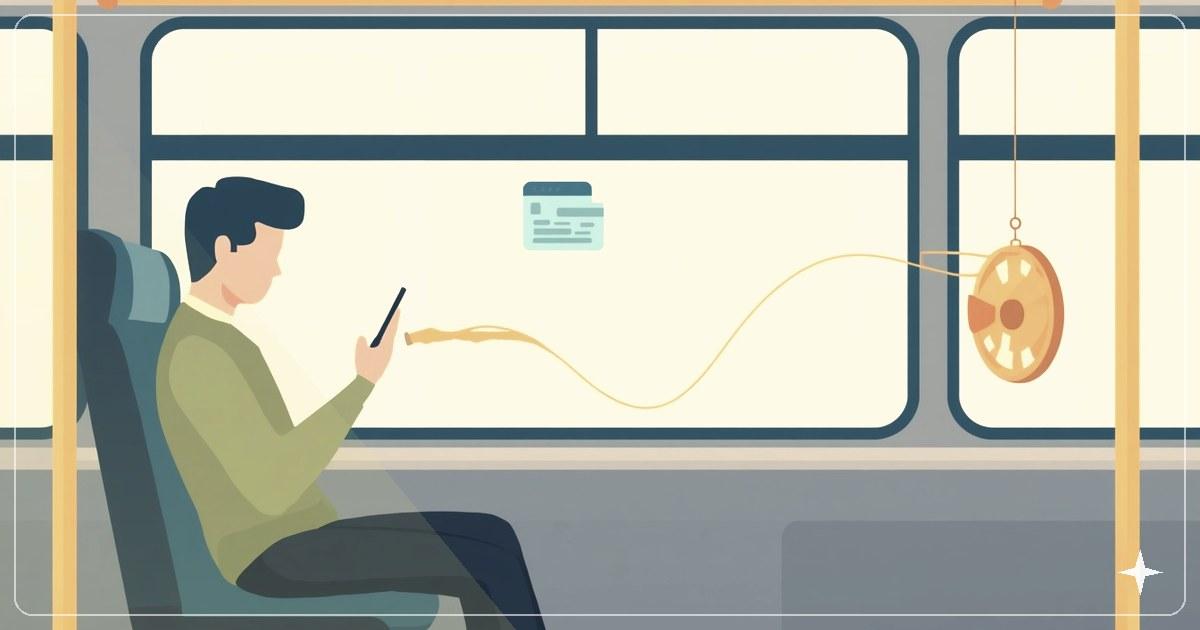
A student loan payment scheduled for Monday can look perfectly manageable until you remember that payday is Tuesday.
That one-day gap matters more than the headline benefit of autopay. The standard federal student loan discount is generally 0.25 percentage points. On a $20,000 balance, that may save roughly $50 during the first year. It is real money, but not enough to offset an overdraft fee or leave you short for groceries.
Autopay can still be useful. Once it is set up, the discount may quietly reduce the interest you pay without requiring another monthly task. You may not see your payment fall, though, and the savings might amount to only a few dollars each month.
Before looking at enrollment forms or calculating interest, start with a more ordinary question:
Will the full payment reliably be in your bank account on the withdrawal date?
If the answer is yes, autopay may be a low-effort way to pay a little less. If the answer is “usually,” it is worth slowing down. A small rate reduction should not put rent, utilities, food, or another essential bill at risk.
Which federal student loans qualify for autopay?
Most Direct Loans in active repayment are eligible for the standard federal student loan autopay discount. That commonly includes:
- Direct Subsidized Loans
- Direct Unsubsidized Loans
- Direct PLUS Loans
- Direct Consolidation Loans
A loan accruing interest at 6.50%, for example, would generally accrue interest at 6.25% while the benefit is active.
Older Federal Family Education Loan (FFEL) and Perkins Loan accounts may work differently because they can be held by a commercial lender or school. Private student loan policies also vary. Some private lenders offer a 0.25 percentage-point reduction, while others offer a different discount or none at all.
The CFPB’s student loan guidance explains the differences between federal and private loans and the role servicers play in repayment.
Inside your servicer account, the relevant section may be called “Auto Pay,” “Automatic Debit,” or “Interest Rate Incentive.” Check each loan rather than assuming one enrollment covers the full account.
Look for four details:
- Which loans are eligible
- The interest rate before and after enrollment
- When the lower rate takes effect
- What happens if a payment is returned
Loans in default generally cannot use ordinary autopay enrollment. Loans in deferment, forbearance, or a period with a $0 payment may also be treated differently. The written terms shown in your account control, even when a general FAQ sounds broader.
This is where a five-minute task can somehow become 12 open tabs. It does not need to. If today’s energy is limited, sign in and check the incentive for one loan. You can stop there without enrolling.
What does a 0.25% reduction actually save?
For a quick first-year estimate, use:
Current balance × 0.0025 = approximate annualized savings
For example:
- A $10,000 balance may save about $25 a year
- A $20,000 balance may save roughly $50 a year
- A $40,000 balance may save about $100 a year
These are rounded estimates, not guaranteed savings. Federal student loans commonly accrue interest daily, and the amount saved usually declines as the principal balance falls.
Consider an illustrative $20,000 loan at 6.50%, repaid over 10 years with no pauses or extra payments:
- At 6.50%, the calculated monthly payment is about $227.10
- At 6.25%, the calculated monthly payment is about $224.57
- The difference is approximately $2.53 a month
- Across 120 scheduled payments, the interest difference is about $304
That $2.53 may not show up as extra room in your monthly budget. A servicer might keep the required payment unchanged and apply slightly more of it to principal. If so, the benefit could appear as an earlier final payment rather than a smaller withdrawal.
“Lower interest rate” sounds substantial. In this case, it is modest. That does not make the discount pointless, but it does put the benefit in perspective.
If your current payment is unaffordable, autopay is unlikely to create enough breathing room. The options in Student Loan Payment Too High? Why It Jumped and How to Lower It may be more useful before you authorize a recurring withdrawal.
How to enroll without accidentally missing a payment
The CFPB describes automatic debit as permission for a company to collect recurring payments electronically from your bank or credit union account.
Enrollment usually happens through your loan servicer’s website. A typical process looks like this:
- Go directly to the servicer’s official website and sign in.
- Open the payment or billing section.
- Select “Auto Pay” or “Automatic Debit.”
- Review the loans and payment amounts included.
- Enter your routing and bank account numbers.
- Check the first scheduled withdrawal date.
- Save the confirmation page or email.
The sixth step is the one most likely to cause trouble. Submitting an enrollment form does not necessarily mean your next payment is covered.
Some servicers apply the discount only after processing enrollment or completing the first successful withdrawal. If a bill comes due during that gap, you may still need to make a manual payment. Before assuming autopay is running, check for an “active” status and a specific withdrawal date.
Keep the confirmation somewhere searchable. A screenshot buried among hundreds of photos may be hard to find when you need it. A file name such as autopay-confirmation-Nov-2026 or a dedicated student loan email folder can make the record easier to retrieve.
If signing in is the part you keep putting off, try this short process for returning to avoided student loan emails. Open one message, find one balance, and stop if you need to. The next step will still be there tomorrow.
Is December 31 a federal autopay deadline?
There is no standard annual December 31 deadline for the usual federal autopay discount. Eligible borrowers can generally enroll throughout the year.
If your servicer sent a notice mentioning December 31, read the surrounding language carefully. The date may refer to an account-specific promotion, a processing target, a repayment change, or another benefit.
You could ask the servicer:
- What happens on December 31?
- Which loans are affected?
- Is submitting the form enough?
- Must enrollment be fully processed by that date?
One option is to save the notice and ask for the answers in writing.
If December 31 is simply your personal target, leave time for processing and confirmation. The effective date shown inside your account matters more than the day you click “submit.”
When autopay may create more trouble than it saves
Suppose your payment is withdrawn on Monday, while your paycheck normally arrives Tuesday. Most months, the account may have enough money to cover the gap. Then an expensive weekend, an earlier-than-expected bill, or another automatic withdrawal changes the balance.
One returned payment could cost more than a year of interest savings.
Before enrolling, compare:
- The withdrawal date with your paydays
- The payment amount with the balance you typically keep available
- Whether the servicer allows you to change your due date
- Whether extra payments will also be drafted
- How to pause or cancel automatic payments
The Financial Snapshot can help you place the student loan payment beside rent, utilities, and other fixed bills. Seeing those amounts and dates together may be more useful than doing another interest calculation.
A returned payment may suspend autopay, remove the rate reduction, or trigger a bank fee. Policies vary, so review the authorization terms rather than relying only on the wording of the enrollment button.
And if the dates feel too close, manual payments may be the better fit right now. Autopay is not proof that you are responsible with money. It is simply one payment method, and you can reconsider it if your pay schedule or account balance changes.
Make one useful check today
You do not need to overhaul your student loan repayment plan tonight. You only need enough information to answer one question:
Can this account safely cover the full payment on the scheduled withdrawal date each month?
If yes, your next steps might be:
- Check which loans qualify.
- Confirm the discounted rate and first withdrawal date.
- Enroll through the servicer’s official website.
- Save the confirmation.
- Review the next statement after the stated processing period.
If the answer is no, that is not a failed outcome. It is useful information. You might continue making manual payments, ask whether the due date can be changed, or contact the servicer about your repayment arrangement.
If the lower rate does not appear after the stated processing period, you could send the servicer a copy of your enrollment confirmation and ask for a written explanation. Keep the dates, screenshots, and response together. If the problem remains unresolved, the CFPB accepts student loan servicing complaints with supporting documents.
Sometimes the right move is enrolling. Sometimes it is noticing that Monday’s withdrawal does not work with Tuesday’s paycheck.
For today, check one loan. Write down what you find. Then close the tab.